
Thoughts & Emotions
Every thought and feeling we experience has an impact on our physical body.
That feeling you get when you meet a new friend and you just know your going to hit it off
The terror you feel while watching a scary movie
The shows you watch on tv, the images on Facebook, Insta, Tic Tok, the news
The music you listen to
All have a direct impact on your brain chemistry
Many of the images in our world today invoke the Fight or Flight response causing us to live in a constant state of stress.
All of this stress can get trapped in the bodies energy centers causing energy blockages and imbalances.
Our bodies are filled with an invisible life force, energy or chi. This energy can get blocked in the body. Energy work supports the clearing of stuck emotions and energies.
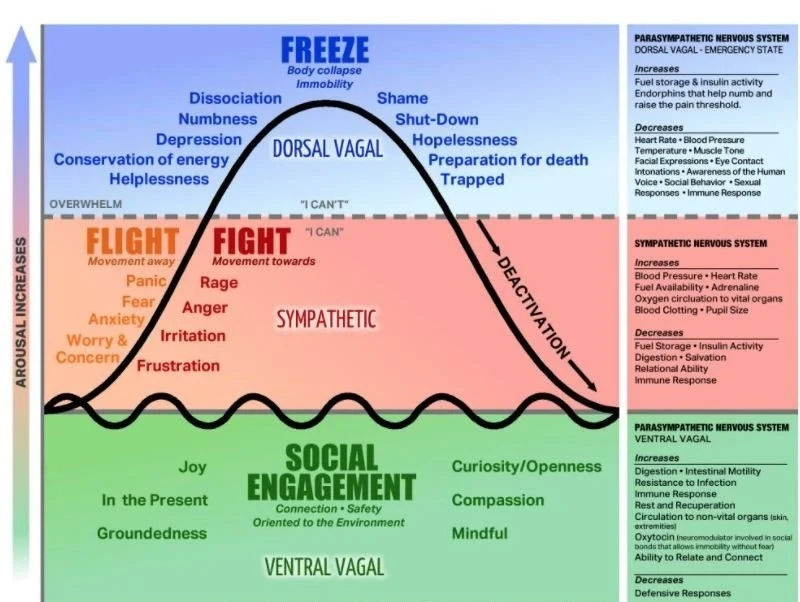
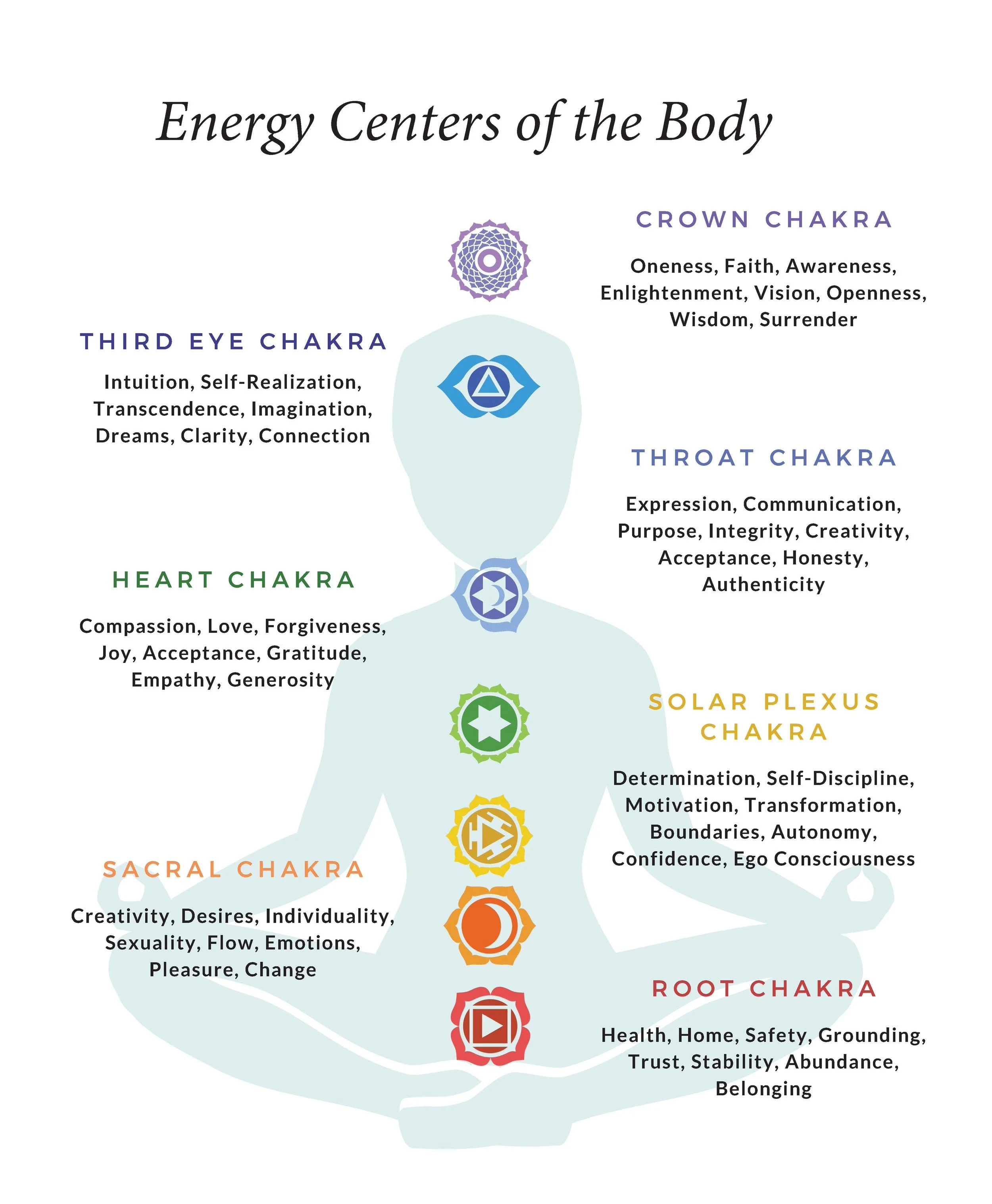
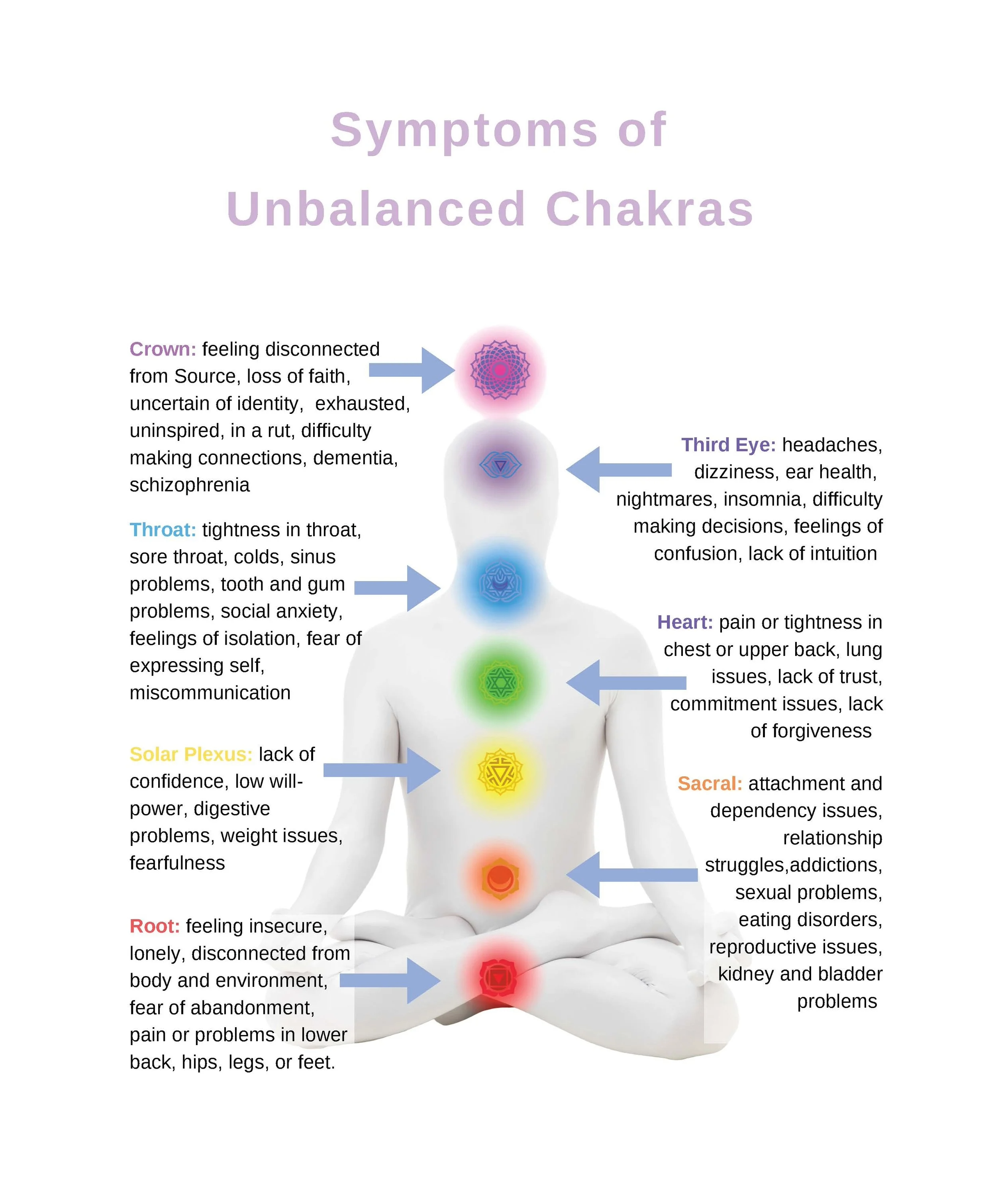
Energy Centers within the body called CHAKRAS hold all the memories and emotions of life. The CHAKRAS hold the subconscious mind. Here are some signs you may need to balance your chakras.
Focus on what matters
Research shows in an office setting we are interrupted every 12 minutes. In real life I believe its more like every 12 seconds but whos counting?
Distractions are a way of life with a smart phone in hand.
Focus comes from 2 mechanisms “enhancement”- ability to focus and “suppression”- ability to ignore
Regaining focus is possible through mindful moments, slowing down, eating right and living a balanced life.
Neuroplasticity is your brain learning and changing. The physical structure changes based on what you think, feel, choose, eat and more. As you think, feel and make decisions you express quantum energy waves through the brain which responds electromagnetically and chemically.
It takes 21 days to break down old thought patterns and learn a new habit
It takes 63 days to change the neuroplasticity of your brain -mindbodygreen.com
Just for Today
Time is a construct of the human mind. By living in the moment, just for today, you can release your anxiety about the future and release your regrets from the past.
Breath Work
By changing the pattern of your breath, you affect your nervous system
1. Shift your awareness to your body.
Sit in a chair with your feet on the floor and your hands placed gently in your lap. Soften your gaze and breathe with your natural rhythm. Begin to observe the movement of your breath in and out of your body.
2. Ground into the earth.
Feel the chair beneath you. Imagine roots growing down through the bottoms of your feet, deep into the earth.
3. Lengthen your exhale.
Now begin to extend your exhale by one or two counts. Continue breathing with an extended exhale for one to three minutes to shift into the parasympathetic state. By extending the exhale, you're tapping into the power of the calming effect of the breath.
When you feel overwhelmed: The 4-7-8 breath
empty the lungs of air, breathe in through your nose for 4 seconds, hold your breath for 7 seconds, exhale out of the mouth for 8 seconds, and repeat at least 4 times
When you need an energy boost: The 4-4-4-4 breath
start by releasing all of the air from your chest, and hold your breath for 4 seconds, then breathe through the nose for 4 seconds, then hold your breath for 4 seconds, then exhale out of the nose for 4 seconds
When you feel yourself getting worked up: The 5-5 breath
To start, focus on the natural rhythm of your breath to obtain a baseline length of each inhale and exhale. Then for 1 minute, breathe in for 4 seconds, and exhale for 4 seconds. Then repeat for 5 seconds